
Florida Amendment 3: What Homeowners and Real Estate Investors Should Know
Property Ownership Advisory | November 11, 2026
By Jeramiah J. Bustin, Broker Associate | License Partner, Engel & Völkers South Tampa
Florida voters approved Amendment 3 on November 3, 2026, changing homestead exemptions and assessment limits for qualifying non-homestead properties. It takes effect January 1, 2027, and first applies to the 2027 tax roll. It does not change 2026 property-tax bills. 1
For Tampa Bay property owners, the practical question is which provisions apply to a particular property — and in what year. Primary residences, second homes, and rental properties have different considerations.
What changes under Florida Amendment 3?
The amendment expands the exemption for qualifying homesteads and lowers the assessment-growth limit for qualifying non-homestead property. Both changes concern non-school taxes. 1, 2
| Property category | Change beginning in 2027 | Key consideration |
|---|---|---|
| Qualifying primary residence | Non-school homestead exemption up to $150,000 in 2027 and $250,000 in 2028 | Separate eligibility rules apply to new Florida residents. |
| Qualifying non-homestead property | Annual non-school assessment-growth limit falls from 10% to 5% | This limits qualifying assessment increases, not the total tax bill. |
The figures above describe tax treatment, not guaranteed dollar savings. 1, 2
Primary residences and the homestead exemption
For eligible homesteads, the non-school exemption reaches $150,000 in 2027 and $250,000 in 2028. Starting in 2029, the expanded amount adjusts annually for positive inflation using the Consumer Price Index for All Urban Consumers (U.S. City Average) identified in the amendment. These are total exemption amounts under the provision, not amounts added to the existing exemption. 1, 2
An exemption reduces the assessed value subject to the applicable taxes. It does not reduce the bill dollar for dollar. School levies retain the $25,000 homestead exemption; the expanded exemption does not apply to them. 1, 2
Residency requirements for the expanded benefit
Individuals who had not maintained a permanent residence in Florida as of December 31, 2026, are subject to separate rules. Upon qualifying, they receive up to a $25,000 exemption for school taxes and up to a $50,000 exemption for non-school taxes during their first four years of homestead exemption. The $50,000 non-school amount is adjusted for positive inflation beginning in 2028. Eligibility for the expanded non-school exemption generally begins in the fifth year of exemption. 1, 2
This is a waiting period, not a gradual annual phase-in of the expanded exemption. Beginning in 2030, counties and municipalities may be able to shorten that period for their own levies through a specified two-thirds vote based on critical local need. Relocating buyers should confirm their circumstances and implementation rules with the county property appraiser before budgeting. 2
Investment properties, second homes, and the 5% limit
For qualifying non-homestead property, the annual assessment-increase limit for non-school levies falls from 10% to 5% beginning in 2027. Depending on classification, this can include rentals, second homes, vacant land, and commercial property. Ownership changes and improvements remain subject to separate assessment rules. 2
The limit does not guarantee a 5% maximum increase in the total bill. Tax rates, exemptions, assessment changes outside the cap, and non-ad valorem charges can affect what an owner owes. School levies are outside this assessment limitation. 2, 3
A separate investor consideration: Certain changes in ownership or control of entity-held non-homestead property must be reported to the property appraiser if no deed or other qualifying instrument is recorded. Florida’s Form DR-430 explains the reporting requirements and exceptions. This is an existing compliance rule, not a new requirement created by Amendment 3. 6
Assessed value, taxable value, and your tax bill
Florida's property-tax calculations involve distinct values: 3
- Just value: The property appraiser's estimate of market value for assessment purposes.
- Assessed value: Value after applicable assessment limitations.
- Taxable value: Assessed value after applicable exemptions, which may differ by taxing authority.
Taxable value and the applicable millage rates determine value-based property taxes. A bill may also include non-ad valorem assessments. That is why an exemption amount alone cannot establish an owner's final savings. 3
What buyers and sellers should understand
A seller's tax bill should not serve as a buyer's tax estimate. After an ownership change, a property is generally reassessed at just value for the following assessment year, subject to applicable exceptions and benefits. 4
Save Our Homes continues to limit qualifying homestead assessment increases to the lower of 3% or the applicable CPI change, with exceptions. Eligible Florida homeowners moving between homesteads may also qualify to transfer part of their accumulated assessment benefit through portability. These protections require their own eligibility review. 4, 5
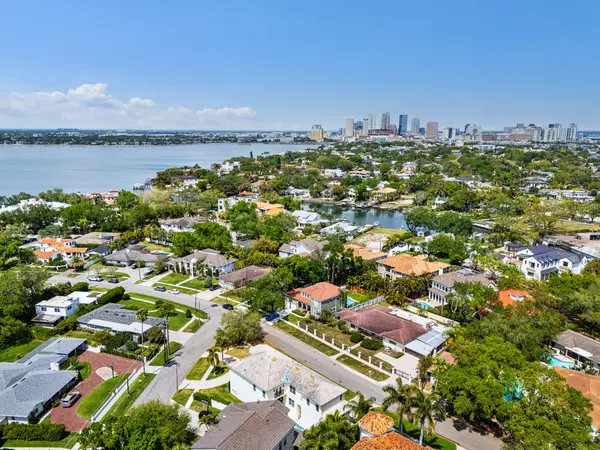
When comparing properties in Sunset Park or elsewhere in South Tampa, I recommend reviewing ownership costs alongside price, condition, insurance, and intended use. Ask whether a tax estimate reflects the anticipated ownership change and the buyer's exemptions. A listing's displayed historical tax figure may not reflect the buyer's future bill.
Practical next steps for Tampa Bay property owners
- Review your property record. Confirm ownership, assessed values, and recorded exemptions with your county property appraiser.
- Check homestead eligibility and filing dates. The standard filing deadline is March 1. Recent purchasers should confirm January 1 ownership and residency requirements. 5
- Request an updated estimate when buying. Hillsborough County offers a property-tax estimator. Confirm whether its assumptions reflect Amendment 3 before relying on the result.
- Follow implementation guidance. The Department of Revenue says it will issue further information on rules, forms, and administration. 1
Frequently asked questions
Does Amendment 3 affect my 2026 tax bill?
No. It first applies to the 2027 tax roll. 1
Are school property taxes frozen?
No. The expanded exemption and reduced non-homestead assessment cap exclude school levies. School taxes can still change with taxable values and rates. 2, 3
Will every owner receive the same savings?
No. Exemption eligibility, assessed value, local rates, and other charges determine the result. A primary residence and a second home may receive different treatment. 1, 3
Does the 5% non-homestead assessment limit reset after a sale?
Generally, yes. A qualifying change of ownership or control can trigger reassessment at just value on the next assessment date, subject to the property’s classification and applicable exceptions. The annual assessment limitation then applies to subsequent assessments; it does not carry over the prior owner’s capped value automatically. 2, 6
Where can Hillsborough County owners apply for homestead?
Start with the Property Appraiser's Homestead E-file page, and confirm the documentation and deadline for your circumstances. 5
Official sources and further guidance
Information reviewed November 11, 2026. The amendment also contains local-government provisions; this article focuses on the principal ownership considerations. Consult the complete text and subsequent implementation guidance for details.
- Florida Department of Revenue — Amendment 3 Bulletin, November 5, 2026
- Florida Legislature — Enrolled HJR 1-F, full amendment text
- Florida Department of Revenue — Property Tax Information for Taxpayers
- Hillsborough County Property Appraiser — Save Our Homes
- Hillsborough County Property Appraiser — Homestead and Other Exemptions
- Florida Department of Revenue — Form DR-430, Change of Ownership or Control (Non-Homestead)
If you are evaluating a purchase, sale, or investment in South Tampa, I am available to help you consider ownership costs as part of the broader real estate decision and identify the appropriate resources for property-specific tax questions.
Jeramiah J. Bustin
Broker Associate | License Partner
Engel & Völkers South Tampa
JeramiahBustin.com
This article provides general information and is not legal or tax advice. Consult your county property appraiser or a qualified tax professional regarding eligibility, assessments, and your individual circumstances.
Categories
Recent Posts



Jeramiah Bustin
License Partner | Broker Associate | Professional Athlete Advisory | Development Services